
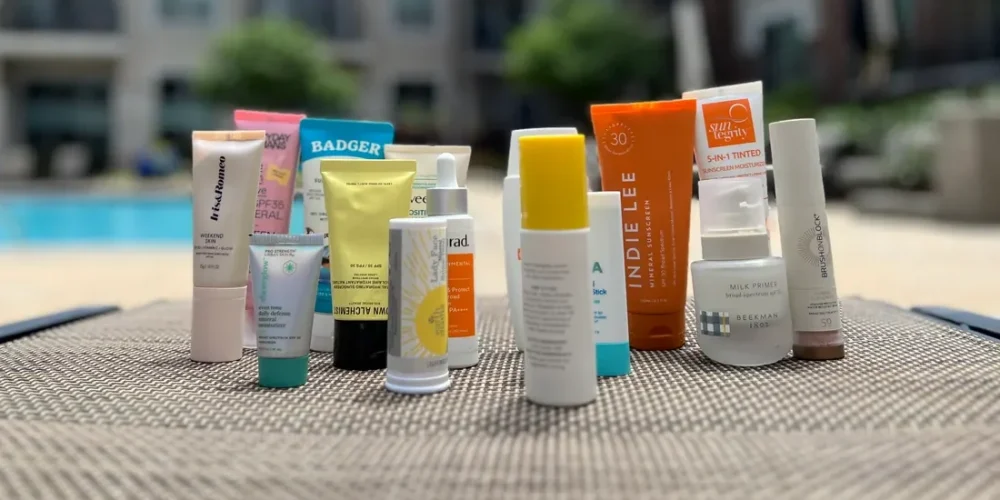
Sunscreen is one of the most important tools for maintaining healthy, youthful skin—but not all sunscreens are the same. Patients often ask: chemical or mineral sunscreen—what’s the difference, and which is better?
At SARA Surgery, we focus on helping patients understand their options so they can choose what works best for their skin and lifestyle.
How Sunscreen Works
All sunscreens are designed to protect against UVA and UVB rays, which contribute to skin aging, sunburn, and skin cancer. The difference lies in how they achieve that protection.
Chemical Sunscreen
Chemical sunscreens absorb into the skin and convert UV rays into heat, which is then released from the body.
Common ingredients include:
- Avobenzone
- Octinoxate
- Oxybenzone
Benefits of chemical sunscreen:
- Lightweight and easy to apply
- Blends seamlessly into the skin
- Works well under makeup
Considerations:
- May irritate sensitive skin
- Needs to be applied 15–20 minutes before sun exposure
Mineral (Physical) Sunscreen
Mineral sunscreens sit on the surface of the skin and reflect UV rays away from the body.
Common ingredients include:
- Zinc oxide
- Titanium dioxide
Benefits of mineral sunscreen:
- Effective immediately after application
- Less likely to irritate sensitive or post-procedure skin
- Provides broad-spectrum protection with fewer active ingredients
Considerations:
- May leave a white cast, depending on formulation
- Can feel thicker on the skin
Which One Is Better?
There is no single “best” sunscreen—only the one you will use consistently and correctly.
In general:
- Mineral sunscreen is ideal for sensitive skin, post-procedure care, and patients prone to irritation
- Chemical sunscreen is often preferred for daily wear due to its lightweight feel and cosmetic elegance
For many patients, a combination sunscreen offers the benefits of both.
What Matters Most
The most important factor is not the type—it’s the habit.
- Use broad-spectrum SPF daily
- Reapply every 2 hours when outdoors
- Apply enough product to fully cover exposed skin
Consistent sun protection is one of the most effective ways to prevent premature aging, pigmentation, and skin cancer.
SARA’s Approach to Skin Protection
At SARA Surgery, we recommend medical-grade sunscreens tailored to your skin type and treatment plan. Whether you’ve had a laser treatment, surgery, or are simply maintaining your skin, the right SPF is essential.
If you’re unsure which sunscreen is best for you, our team can guide you toward the safest and most effective option for your skin.
Because great skin isn’t just treated—it’s protected.