Scars are an inevitable part of healing after surgery or injury—but not all scars are created equal. At SARA Surgery, we prioritize optimal healing and aesthetic outcomes, helping patients achieve the best scar possible with advanced closure techniques, medical-grade scar management tools, and expert follow-up care.
Understanding the Normal Scar Healing Timeline
Healing is a journey, and scars go through several stages:
- Week 1–2: Redness, swelling, and scabbing are common as the body seals and repairs the wound.
- Weeks 3–6: The scar starts to remodel. It may feel itchy or firm but will begin flattening.
- Months 2–6: Color starts to fade, and the texture smooths out. This is a critical time for interventions like scar gel and laser treatments.
- Months 6–12: Final scar maturation occurs, resulting in a flatter, softer, and more faded appearance.
What Makes a Scar “Good” or “Bad”?
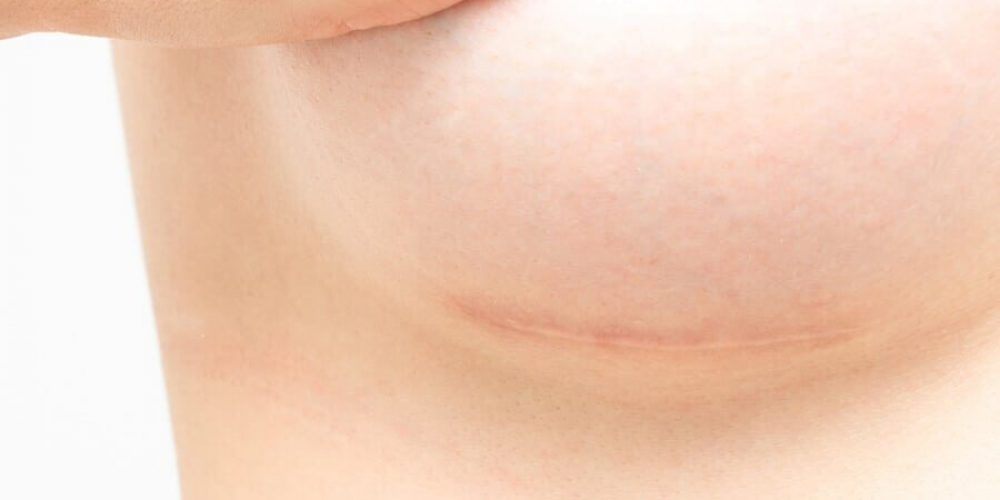
A good scar is:
- Flat, smooth, and pale in color
- Hidden in natural creases or folds
- Well-aligned with minimal tension on the skin
A bad scar may be:
- Raised (hypertrophic) or thickened (keloid)
- Darkly pigmented or reddish long-term
- Stretched, widened, or poorly placed
Scars are influenced by genetics, surgical technique, wound care, sun exposure, and even nutritional health.
How to Optimize Your Scar Healing
At SARA Surgery, we use a combination of proven approaches to promote excellent scar healing:
- Precision closure techniques using layered suturing and tension-reducing strategies
- Silicone scar management systems (like gels, sheets, and taping protocols)
- Laser scar recovery to improve texture, tone, and pigment
- Ongoing follow-up care to monitor healing and intervene early if concerns arise
What If My Scar Isn’t Healing Well?
If your scar becomes raised, red, painful, or wide, there’s still hope. We offer treatments for problematic scarring, including:
- Steroid injections to flatten and reduce inflammation
- Laser therapy to smooth texture and fade discoloration
- Surgical scar revision for more severe or complex cases
Our goal is always to help you feel confident and comfortable in your skin.
Trust the Experts at SARA Surgery
Whether you’re recovering from plastic surgery, trauma, or a past procedure, our team is here to help you achieve the best healing possible. We don’t just close wounds—we optimize outcomes. If you’re concerned about a scar or want to learn how to prevent poor healing, schedule a consultation with SARA Surgery today.