
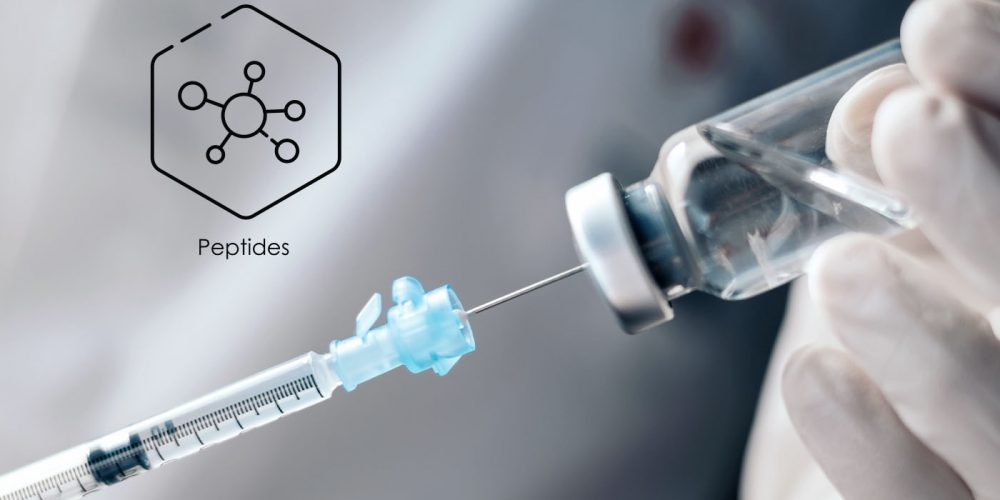
Peptides are everywhere right now. From weight loss to anti-aging to performance enhancement, they are being marketed as the next big breakthrough. But with all the hype comes a lot of confusion—and risk.
At SARA Surgery, we believe patients deserve clear, honest information. Let’s break it down.
What Are Peptides?
Peptides are short chains of amino acids, which are the building blocks of proteins. Many peptides are considered “biologically active,” meaning they can interact with cells and influence how the body functions.
That may sound promising—but the reality is far more complex.
There Is No “Magic Pill”
The human body is incredibly complicated. While peptides can influence biological systems, that does not mean they are safe, effective, or appropriate for widespread use.
A well-known example of peptides in medicine is GLP-1 medications. These are FDA-approved and have been studied extensively. Even then, they are only approved for specific conditions because the science and proof of benefit exist in those areas.
Outside of those approved uses, the risks, dosing, and long-term effects are often unclear.
The Real Concern: Unregulated Peptides
There are now hundreds—if not thousands—of peptides being manufactured in labs and marketed directly to consumers. Many claim impressive benefits, but most:
- Lack proper clinical trials
- Have no established safety profile
- Are used “off-label” without medical oversight
Just because something looks promising in theory does not mean it is safe in practice.
A Lesson from Medical History
In the early 1900s, radiation therapy was used to treat acne. And it worked—patients saw improvement in their skin.
But years later, those same patients developed high rates of skin cancer and head and neck cancers. What seemed like a breakthrough at the time turned out to have devastating long-term consequences.
Today, medical radiation is tightly regulated for a reason. This is exactly why we cannot rely on “theory” alone when it comes to new treatments.
The Importance of FDA Approval
The FDA process exists to protect patients. Before a drug is approved, it must:
- Be proven effective through clinical trials
- Demonstrate safety in both short- and long-term use
- Be manufactured and distributed under strict quality controls
When you use a non-FDA approved peptide, you are taking a significant risk. These products may:
- Be contaminated or improperly manufactured
- Contain incorrect or inconsistent dosing
- Not contain the substance you believe you are taking
In many cases, this is no different than using an unregulated or unknown substance.
What’s the Bottom Line?
Peptides may sound exciting, but without proper research, regulation, and oversight, they carry real risks.
At SARA Surgery, our recommendation is simple:
- Avoid non-FDA approved peptides
- Be cautious of treatments that promise quick or dramatic results
- Always seek guidance from qualified medical professionals
Your health is not something to experiment with.
Expert Guidance Matters
If you have questions about peptides, weight loss treatments, or anti-aging therapies, we encourage you to schedule a consultation at SARA Surgery. We provide evidence-based recommendations designed to keep you safe while helping you achieve your goals.
Because when it comes to your body, safety always comes first.