
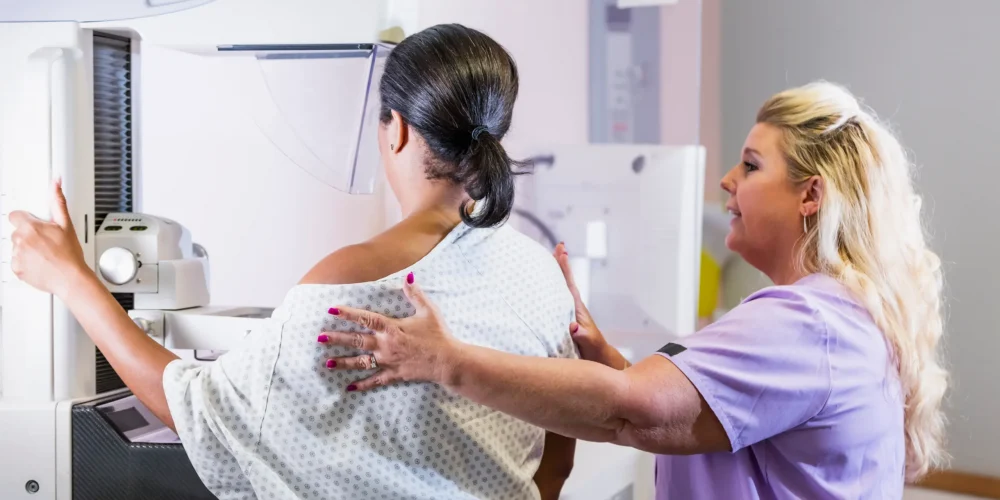
A mammogram is a specialized X-ray of the breast used to detect and diagnose breast cancer. It is an essential tool for early detection, which can significantly improve outcomes and survival rates. Here’s an explanation of when women should get mammograms, how frequently, and why they are important.
When Women Should Start Getting Mammograms
Guidelines for when women should start getting mammograms can vary depending on the organization, but general recommendations are as follows:
- Ages 40-44: Women in this age range have the option to start annual mammograms if they wish, especially if they have a higher risk of breast cancer due to family history or genetic factors.
- Ages 45-54: Annual mammograms are generally recommended for women in this age group. Regular screening in this decade can help detect breast cancer early, when it’s most treatable.
- Ages 55 and Older: Women in this age range can continue with annual mammograms or switch to every two years, depending on their preference and risk factors. Screening is usually recommended as long as the woman is in good health and expected to live at least 10 more years.
Factors Affecting Mammogram Frequency
Family History of Breast Cancer: Women with a family history of breast cancer or known genetic mutations (like BRCA1 or BRCA2) may need earlier and more frequent mammograms.
Personal Health History: Women with a previous diagnosis of breast cancer or other risk factors may need more frequent screening.
Density of Breast Tissue: Women with dense breasts may need additional imaging, as dense tissue can make it harder to detect abnormalities on a standard mammogram.
Why Mammograms Are Important
Mammograms play a crucial role in the early detection of breast cancer. Early detection has several significant benefits:
- Increased Survival Rates: When breast cancer is detected early, the survival rate is significantly higher. Early-stage cancers are often more treatable and less likely to have spread.
- Less Invasive Treatment: Early detection often means that less aggressive treatment options are needed, potentially avoiding mastectomy or extensive chemotherapy.
- Improved Quality of Life: Early treatment can lead to quicker recovery and less impact on overall health and daily activities.
Women should start getting mammograms around age 40-45 and continue them annually or every two years, depending on their age, risk factors, and personal preferences. Mammograms are a critical tool for early detection of breast cancer, leading to higher survival rates, less invasive treatment, and an overall better quality of life. It’s essential for women to consult with their healthcare provider to develop a mammogram schedule tailored to their individual risk profile and health status.
Not sure where to start? Contact the office of Dr. Sara Dickie to get started!