Plastic surgery is a journey, and sometimes that journey includes a course correction. At SARA Surgery, we frequently meet patients who have already had surgery and are seeking clarity—whether they’re not fully satisfied with their results, want reassurance that healing is progressing normally, or need honest feedback about what is realistically achievable with a revision.
Revision surgery is not a failure. In many cases, it’s a thoughtful, strategic step toward achieving the best possible outcome.
Why Patients Seek Revision Surgery
There are many reasons someone may consider a revision, including:
- Concerns about scarring or wound healing
- Contour irregularities or asymmetry
- Changes that didn’t fully meet expectations
- Breast Implant-related issues or discomfort
Often, patients simply want an expert opinion to understand whether what they’re seeing is part of the normal healing process—or something that truly needs intervention.
How Long Should You Wait Before a Revision?
Timing is one of the most important factors in revision surgery, and it depends entirely on the issue at hand.
Scarring: When Time Is Your Best Ally
Scars evolve slowly. Redness, firmness, and texture changes are normal in the early months after surgery. In many cases, time combined with proper scar care—including silicone therapy, massage, and sun protection—leads to significant improvement. Acting too early can actually make scars worse. Patience and good scar management are often the best first steps.
Contour Concerns: When Surgery May Be Needed
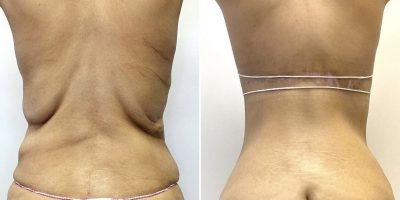
If contour irregularities persist beyond the early healing phase, revision may be appropriate. As a general guideline, if it has been more than three months and the shape or contour is not improving—or is clearly not aligning with goals—additional surgery may be necessary. That said, swelling can mask final results, so expert evaluation is critical.
Implants: An Art and a Science
Implant revision is particularly complex. Implant settling, capsule formation, swelling, and tissue adaptation all occur on different timelines. Deciding when to re-operate requires careful assessment and experience. In some cases, time will significantly improve the outcome. In others, waiting too long may make correction more difficult. This is where a skilled examiner makes all the difference.
Do Adjunct Treatments Help?
Not every concern requires surgery. Depending on the situation, adjunct treatments such as laser therapy, steroid injections, massage, targeted exercises, or non-surgical contouring may improve results or delay the need for revision. Knowing what will help—and what won’t—requires expertise and honest guidance.
SARA’s Approach to Revision Surgery
At SARA Surgery, our goal is not to rush you back into surgery, but to help you understand:
- What the core issue truly is
- Whether time is likely to improve or worsen the concern
- What options exist now versus later
- What expectations are realistic and achievable
We know it can be emotionally and physically challenging to consider another procedure. Our role is to guide you thoughtfully, compassionately, and safely—so that if revision surgery is necessary, it’s done at the right time and for the right reasons.
When in Doubt, Get an Expert Opinion
If something doesn’t feel right after surgery, or if you’re unsure whether revision is needed, the best next step is a consultation with an experienced plastic surgeon. At SARA Surgery, we’re here to help you determine the smartest path forward—whether that means waiting, treating conservatively, or planning a revision to achieve the result you deserve.