
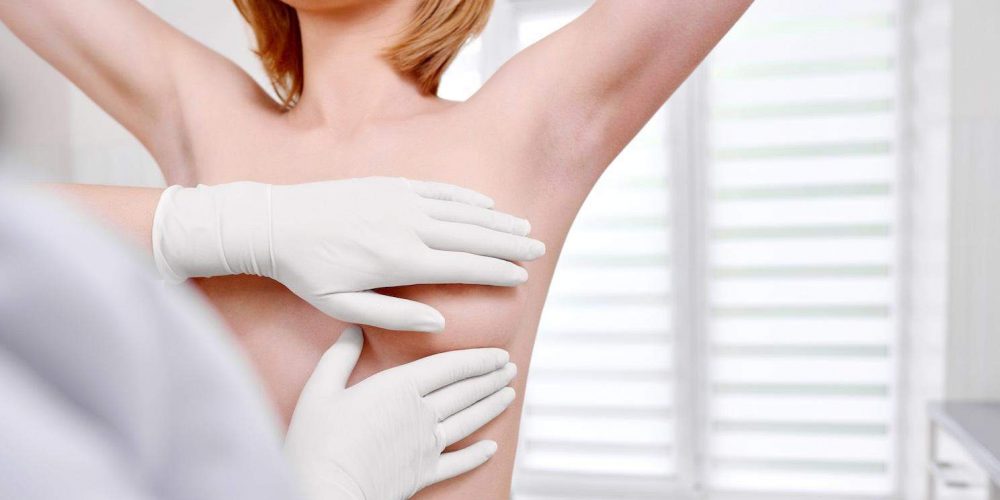
If you have silicone breast implants, routine surveillance is an important part of long-term care. In 2020, the FDA updated its recommendations for monitoring silicone implant rupture. The guidance now suggests imaging with an ultrasound or MRI 5 to 6 years after placement, followed by repeat screening every 2 to 3 years thereafter.
Ultrasound or MRI? Most patients have a clear preference.
What Are Your Options?
MRI has traditionally been considered the gold standard for implant rupture detection, but it is expensive and not always convenient. Ultrasound has become an effective, accessible, and significantly more affordable option for routine screening.
At SARA Surgery, we make surveillance simple:
- We offer complimentary ultrasound implant screening for patients who received their implants with us.
- For patients who had implant surgery elsewhere, we are happy to provide screening at a reasonable cost — typically far less than an MRI.
Our goal is to remove barriers to appropriate monitoring.
What Can an Ultrasound Detect?
A breast implant ultrasound can evaluate several important issues, including:
- Implant rippling or folds
- Implant rupture
- Capsular contracture or scarring around the implant
- Fluid collections surrounding the implant
These are the most common implant-related concerns and are precisely what surveillance imaging is meant to monitor.
What Ultrasound Cannot Detect
It’s important to understand the limitations. Implant ultrasound screening does not evaluate breast tissue for tumors or cancer.
For breast cancer screening, patients should continue:
- Routine mammograms
- Automated Breast Ultrasound (ABUS) when indicated
These exams must be performed by certified imaging centers and sonographers trained in breast tissue evaluation.
When Should You Be Screened?
If you have had silicone implants for more than 5 years, we recommend scheduling an ultrasound evaluation. Even if you feel well and notice no changes, silent rupture can occur without symptoms.
Routine monitoring helps protect your long-term health and ensures early detection if an issue develops.
Expert Follow-Up Matters
Breast implants are not “set it and forget it” devices. Long-term success depends on thoughtful surveillance and expert interpretation of findings.
At SARA Surgery, we are here to support you — whether you had your surgery with us or elsewhere. If you’re unsure about your implant status, or if it has been more than five years since placement, schedule your ultrasound screening today.
Your peace of mind is worth it.